
Regardless of the amount of money that comes in or goes out, be sure to record those transactions every day. Ideally, you want the gross profit margin to be at least 70% — meaning the restaurant keeps $0.70 for every dollar that comes in. Gross profit margin is a percentage that essentially tells you how much your restaurant gets to keep from every dollar earned. With an accurate system in place, you’ll be able to see if there are days or weeks when you were short on cash and plan and budget for those lean times in the future. When your books are in order, you can do your taxes yourself or hand them over to a tax professional confident in the fact that everything is accurate and you’ve followed all the rules.
- Running a restaurant is no small feat – from managing staff and serving customers to controlling inventory and maintaining quality, your to-do list is never-ending.
- The big thing to cover right away is the accounting method which would be suitable for restaurants.
- The restaurant accountant plays a pivotal role in ensuring the restaurant’s success.
- That means technology tools that integrate with one another to make your digital strategy as seamless as possible.
- By implementing these tips, you can establish effective bookkeeping practices that provide a solid foundation for financial management, strategic decision-making, and the overall success of your restaurant.
Restaurants must consider unique expenses in their budgets.
Cash flow is often more important than profit in restaurant operations. A restaurant can appear profitable while struggling to meet payroll or vendor obligations if cash timing is mismanaged. Weekly reviews should focus on labor performance, purchasing activity, and outstanding liabilities. Comparing labor hours to sales highlights scheduling inefficiencies before payroll closes.
- By taking it off your plate, you can focus on making your restaurant the talk of the town.
- She’s successfully parlayed this passion into a successful career in client relations for luxury hospitality companies.
- Making sure your restaurant is never under stocked or overstocked is a very challenging task.
- This includes recording each transaction (e.g., a meal purchased) in an accounting journal.
Restaurant Accounting: A Step-by-Step Guide
While restaurants typically have more complex accounting systems because food is the primary driver of their business, many of the same principles can be applied to accounting for bars. It’s one of the biggest pain points for restaurant owners, and perhaps one of the most often overlooked. How do you keep track of finances while you have so much else to worry about from employee satisfaction to inventory management and menu configuration?
What Happens Before You Hire CSI? Our Sales & Consultation Process Explained
Restaurant accounting is about tracking every penny that comes in and goes out of your business. That means that you will owe $5000 in sales tax for the month of May. A mere $5000 can mean the difference between just breaking even and actually making a profit. Once you know your sales tax rate (5%), multiply that by the total sales for the month. Some items might be tax free in your state and may not require that you charge sales tax. This is important for both you, and your customers, so make sure you check with the appropriate agency to determine what is taxable and what is not.
Profit Margins: Gross and Net Profit Analysis
Managing a restaurant often requires the business owner to constantly attend https://expressglobaltrade.org/2021/04/19/affordable-online-bookkeeping-services-in-san/ to challenging tasks. Hence, automating repetitive bookkeeping processes is crucial in order to free up as much expert time as possible for things that truly need your attention. Together with your bookkeeper, you can optimize this tedious labor by outsourcing it to business accounting software. Restaurant cost tracking involves monitoring expenses like food, labor, and overheads to maintain profitability.
Maintaining Financial Records

It’s overlooked because many managers don’t consider the decidedly “front-of-the-house” point-of-sale (POS) system as applicable to the “back-of-the-house” accounting system. Whether you use accounting software or choose to go the paper-and-pen route, the numbers your need to record will be the same. It may seem like an uphill battle, but just learning the definitions for the most important terms can give you incredible insight into the financial side of your restaurant.
- Gross profit represents the remaining revenue after business-related expenses, highlighting overall profitability.
- The bookkeeping needs of restaurants differ because of high transaction volume, perishable inventory, and payroll complexity.
- At SynergySuite, we plug into your restaurant’s bookkeeping operations, so your business runs smoothly.
- Nish received his Bachelor of Commerce from Gujarat University, then moved to the UK to pursue his master’s degree at the London School of Accountancy & Management, graduating in 2006.
- Snap a photo of receipts, track your miles, and at tax time we hand you a report.
Restaurant Chart of Accounts
Whether you’re a seasoned restaurateur or new to the game, our aim is to equip restaurant bookkeeping you with the essential financial knowledge and tools, like restaurant accounting software, to make your culinary venture thrive. Restaurant sales are retail sales, and are therefore subject to local and state sales tax. In addition, employee payroll is subject to state unemployment, payroll taxes, Social Security, and Medicare taxes.

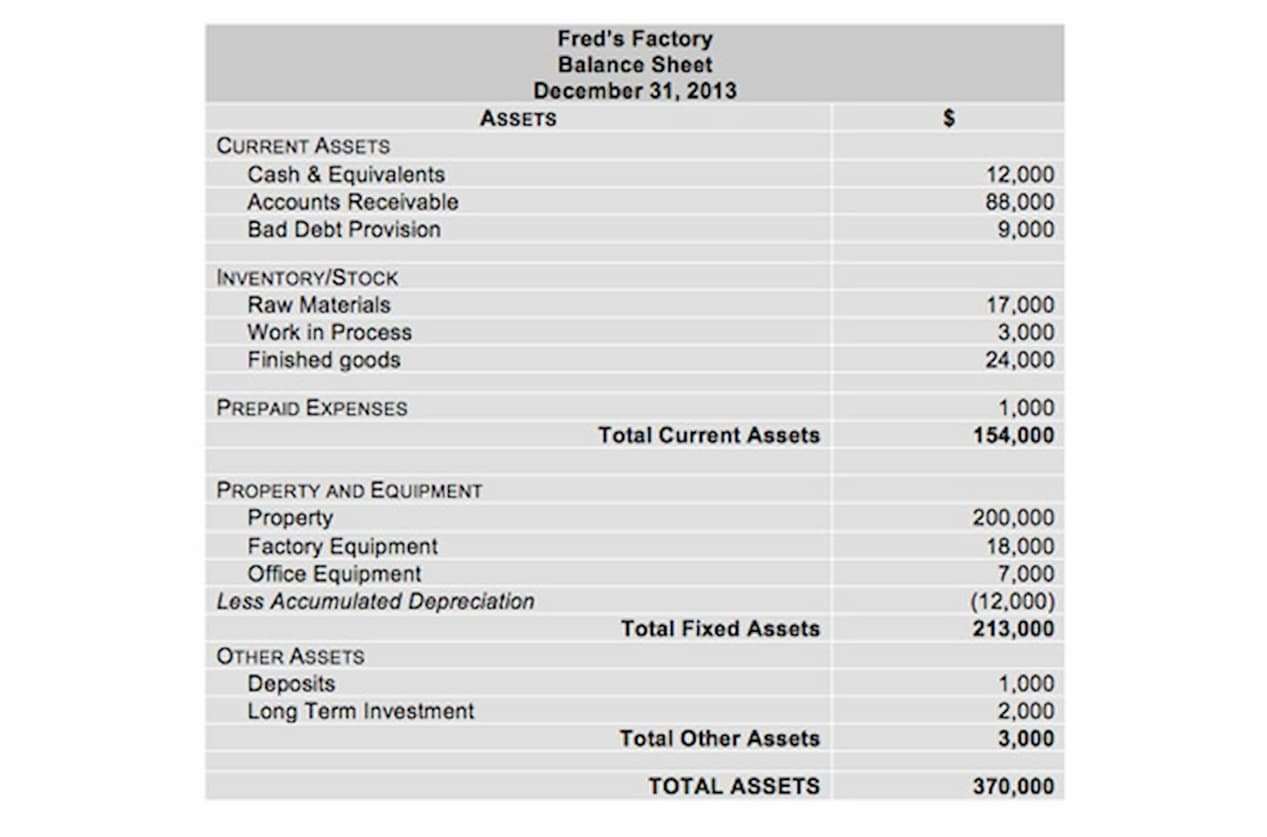
It’s not just about tracking income and expenses; effective bookkeeping can significantly contribute to a restaurant’s success. As we explore these concepts, we’ll also highlight the critical role of hospitality accounting. With the right setup, you can forecast labor costs before they spike. You’ll also have your books audit-ready, your taxes accurate, adjusting entries and your financial records in order.
Leave a Reply